Origins of Halloween
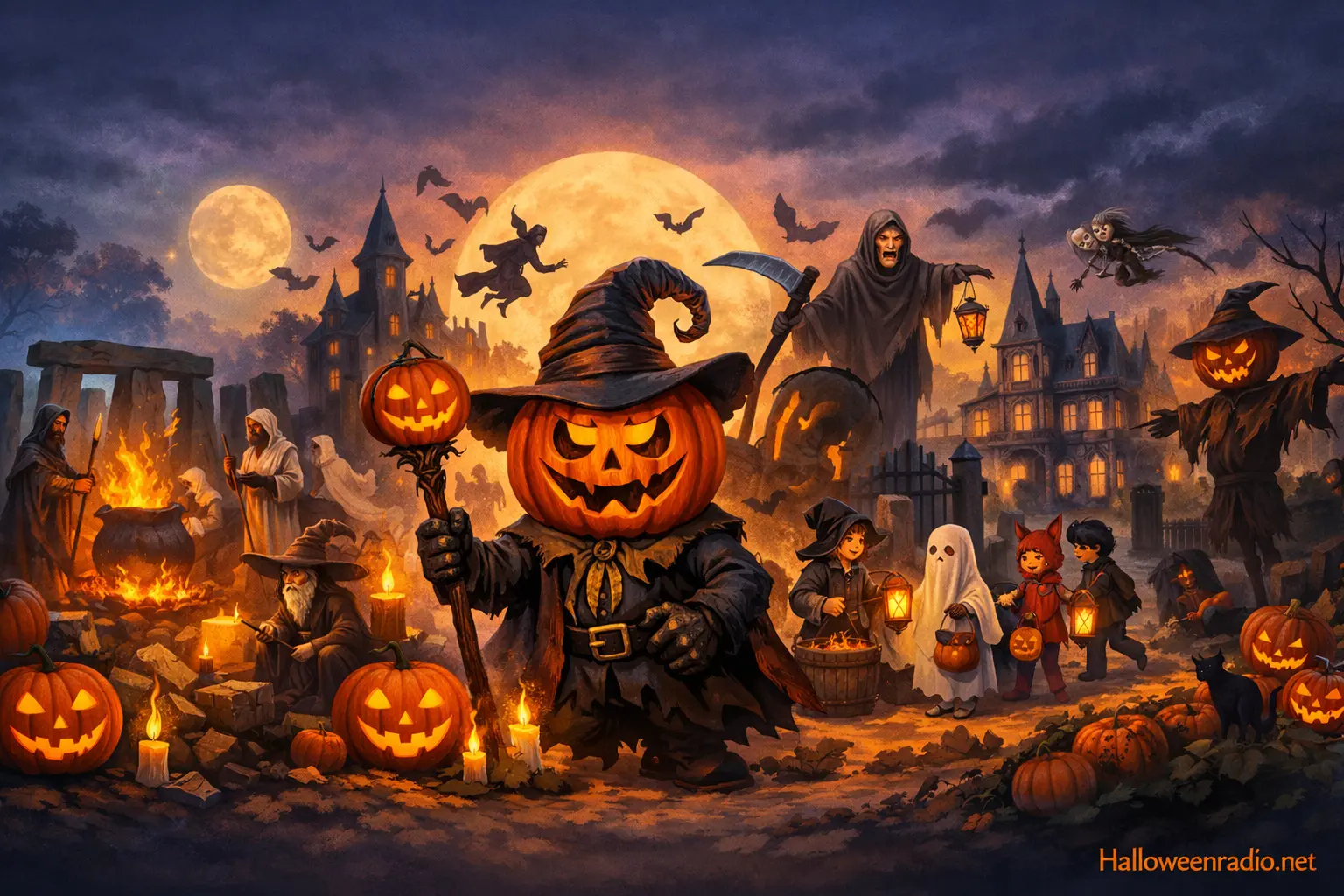
Halloween, celebrated on October 31st, has roots that trace back over 2,000 years to the ancient Celtic festival of Samhain. This festival marked the end of the harvest season and the onset of winter, a time often associated with death. The Celts believed that on the night before the new year, the boundary between the living and the dead became blurred. To honor their deceased ancestors, they would light bonfires and wear costumes, typically made of animal skins, to ward off roaming spirits.
Transition to Modern Celebrations
As centuries passed, the celebration of Halloween evolved. With the spread of Christianity, the church sought to replace pagan festivals with Christian holidays. In the 8th century, Pope Gregory III designated November 1st as All Saints' Day, a day to honor saints and martyrs. The evening before became known as All Hallows' Eve, which eventually morphed into Halloween. The traditions of Samhain, such as costumes, bonfires, and the belief in spirits, blended with Christian practices, leading to the Halloween we recognize today.
Modern-Day Halloween
Today, Halloween is a global celebration characterized by trick-or-treating, haunted houses, and spooky decorations. The commercialization of Halloween has transformed it into a significant cultural event in many countries, particularly in the United States. Families and communities participate in various traditions, such as pumpkin carving, costume parties, and storytelling. Despite its lighthearted modern approach, the history of Halloween serves as a reminder of the festival's deep-rooted connections to ancient practices and beliefs.
Whether you enjoy dressing up or simply savoring seasonal treats, Halloween offers a unique blend of history and fun. Embrace this celebration by exploring its fascinating past and creating new traditions with your loved ones.